
Most architecture and engineering firms leave Monograph because they've grown past it. More projects, more people, more pressure on margins, and the tool that once felt simple now feels limiting.
Invoicing without audit trails, dashboards that lag, and a cost that's hard to justify when you're not getting full visibility: these are the patterns that push firms to look elsewhere.
If you're weighing your options, this guide covers the five strongest Monograph alternatives available in 2026, with a clear breakdown of who each one actually serves best.
5 Best Monograph Alternatives - Quick Look
| Tool | Best For | Standout Feature | Starting Price |
| Milient | Architecture & engineering firms | Offer-to-invoice project flow with built-in resource planning | From £20/user/month |
| BigTime | Mid-sized firms needing a modular setup | Billing automation across multiple modules | Custom quote |
| BQE CORE | Mid-sized firms needing a modular setup | Billing automation across multiple modules | Custom quote |
| Deltek Vantagepoint | Large global AEC enterprises | Enterprise-grade ERP depth | Custom quote |
| Wrike | General project collaboration | Flexible cross-industry task management | $10/user/month (Team) |
Not sure which one fits your firm's size and workflow? Milient is built specifically for project-based teams in architecture, engineering, and consulting.
If you manage people-based projects and need time, resources, and billing in one place, Milient is worth a closer look before anything else on this list.
Milient: Best For Small and Growing Architecture Teams
Milient is ideal for small and growing architecture, engineering, and consultancy teams needing full visibility across projects, people, and finances, without the limitations often experienced in tools like Monograph.
/Blocs%20Project%20Cards.png?width=1529&height=628&name=Blocs%20Project%20Cards.png)
If you want a broader comparison of options, see our in-depth guide to architecture firm management software.
Key Features
Milient’s Project Flow goes beyond basic project tracking by combining project management, time tracking, resource planning, and financial visibility into one connected system, helping teams move from fragmented workflows to full operational control.
1. Integrated Time Tracking & Invoicing
Milient connects time tracking directly to invoicing, eliminating manual work and reducing errors. Unlike Monograph, where users report invoicing frustrations and limited flexibility, Milient allows teams to generate accurate invoices based on real-time project data.
This ensures better financial control and removes the need for external tools or manual adjustments.
/invoicing_dashboard.png?width=1200&height=645&name=invoicing_dashboard.png)
2. Advanced Resource Planning & Forecasting
Milient provides a clear overview of team capacity, availability, and future workload, helping managers allocate resources efficiently.
While Monograph users highlight challenges around planning and visibility, Milient enables proactive decision-making with real-time insights into utilisation and project timelines.
/project_dashboard.png?width=1200&height=645&name=project_dashboard.png)
3. Scalable Reporting & Business Intelligence
Milient’s reporting tools give teams access to real-time data across projects, finances, and performance.
Unlike Monograph, where users mention limitations in exporting and reporting, Milient enables deeper insights—supporting data-driven decisions and improving long-term business performance.
/Centralised-data_Project2.png?width=790&height=800&name=Centralised-data_Project2.png)
Pricing
| Plan | Price |
| Project Flow | From £20 / month per user |
Note:
 Pricing is based on a per-user, monthly structure. For exact figures based on your team size, see the full Project Flow pricing.
Where Milient Shines
- AEC-specific workflows: Project Flow is built around how architecture and engineering firms actually work, i.e phases, fee structures, offer-to-invoice)
- All-in-one platform: Combines project management, invoicing, and resource planning, reducing the need for multiple tools.
- Scalability: Designed to grow with your business, from small teams to multi-office organisations.
- Strong financial visibility: Real-time insights into profitability and project performance.
Where Milient Falls Short
- Not for non-project industries: Purpose-built for project-driven firms. Manufacturing or inventory-based businesses aren't the best fit
- Feature Depth: Small teams of one or two people might find the enterprise-level reporting more than they currently need.
Customer Reviews
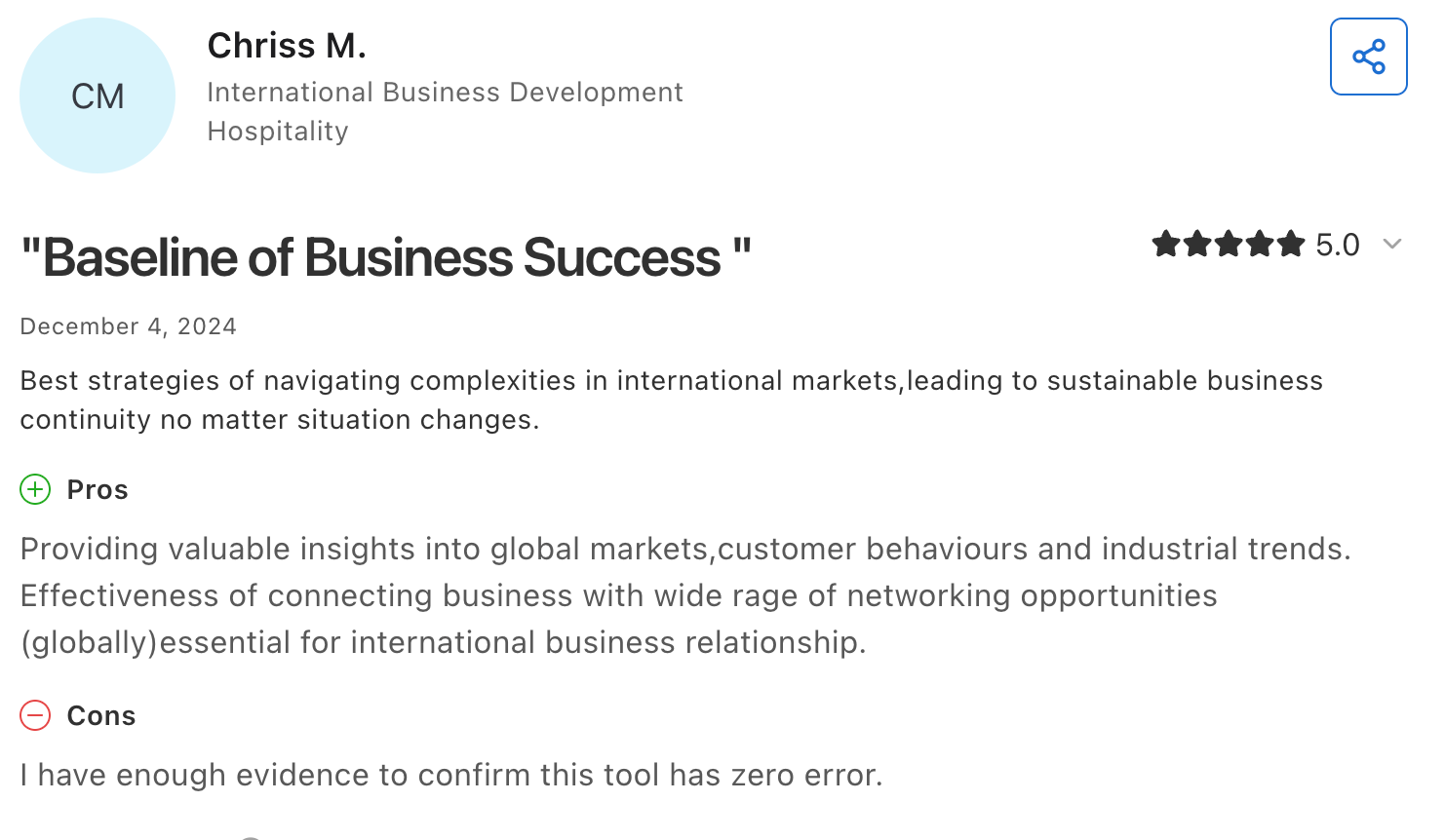
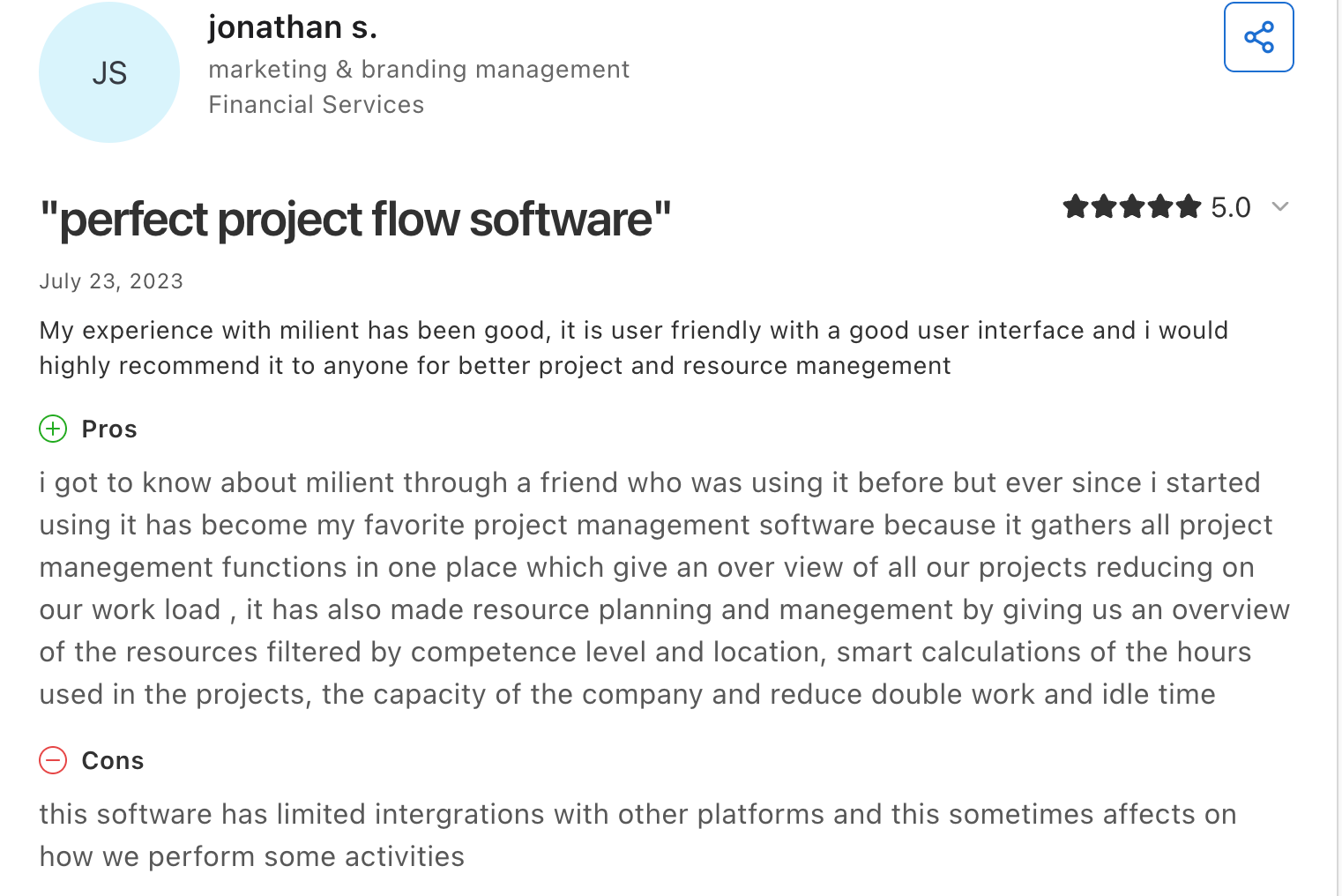
Who Is Milient Best For?
- Architecture studios (20+ staff): Firms that need project phases, resource allocation, and invoicing in one clean system
- Engineering consultancies: Teams juggling multiple concurrent projects who need robust job costing software for real visibility into utilisation and budget burn
- AEC firms switching from spreadsheets or generic tools: Companies that have outgrown Excel, lightweight SaaS, or are looking for Scoro alternatives that offer a more AEC-specific workflow built for how they work.
BigTime
BigTime is a PSA tool with a strong track record, particularly for firms where the finance team has the loudest voice in software decisions. Its native QuickBooks integration is its clearest differentiator.
If getting billable hours into your accounting system quickly is the priority, BigTime handles that connection well.
Key Features
- Time & expense tracking: Detailed categorisation by project, task, and staff
- QuickBooks integration: One of the tightest native connections available
- Invoicing: Generates invoices directly from logged time entries
- Resource planning: Available on higher tiers
Pricing
| Plan | Monthly Price Per User |
| Essentials | $20 |
| Advanced | Custom pricing |
| Premier | Custom pricing |
Where BigTime Shines
- Accounting-first workflow: Natural fit for firms already running QuickBooks
- Billing depth: Strong for practices with complex, multi-rate billing structures
Where BigTime Falls Short
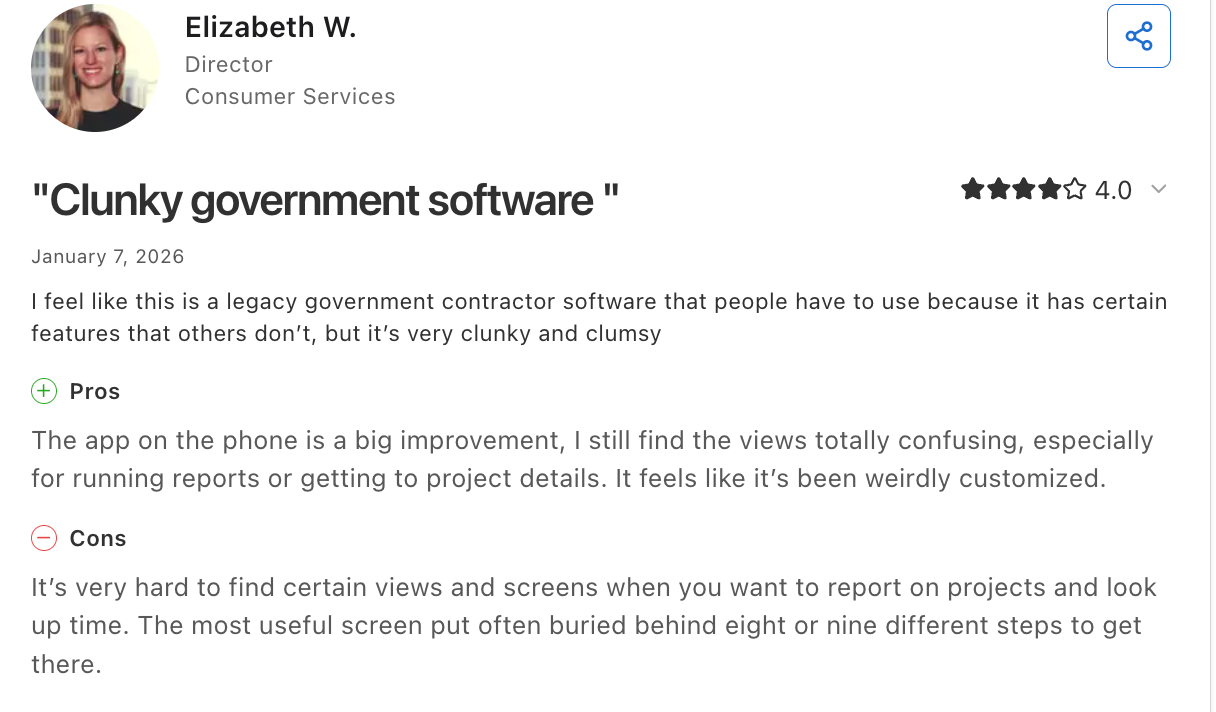
- Dated UI: A consistent Capterra theme is that the interface hasn't kept pace with more modern platforms
- No AEC-specific workflows: Phase-based project structures and fee management need custom configuration, unlike Milient's built-in project management
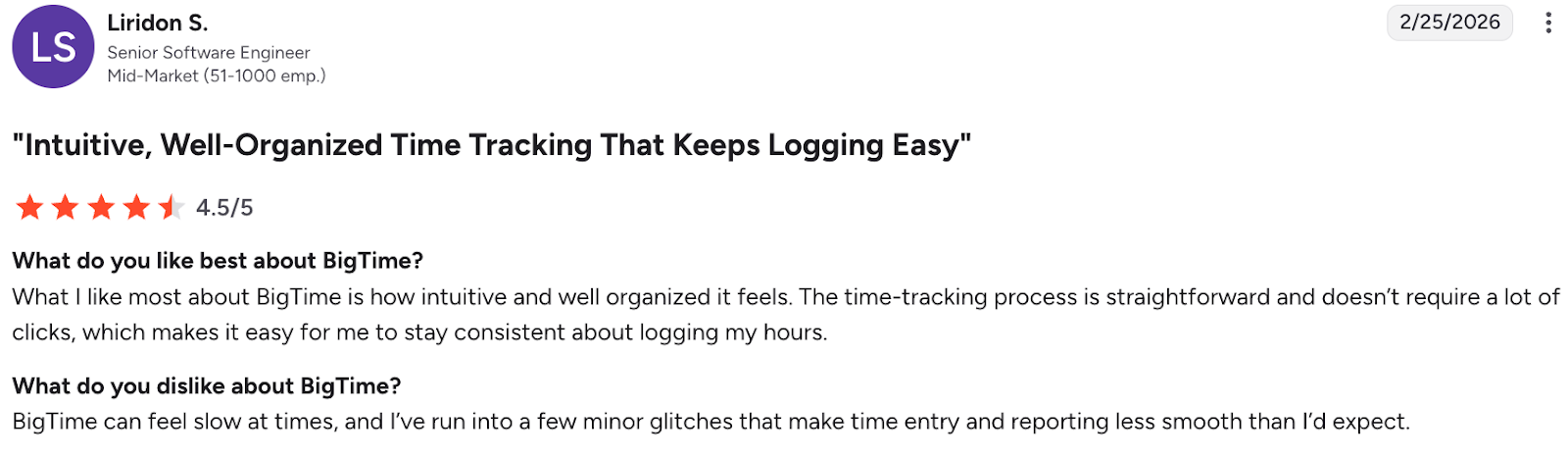
Customer Reviews
Who BigTime Is Best For?
- Finance-led professional services firms where accounting integration is the primary driver
- Teams already using QuickBooks who want a natural extension of that workflow
BQE CORE
BQE CORE's pitch is breadth: time, billing, HR, CRM, and accounting under one roof. For a mid-sized firm wanting to consolidate operations, that's genuinely appealing.
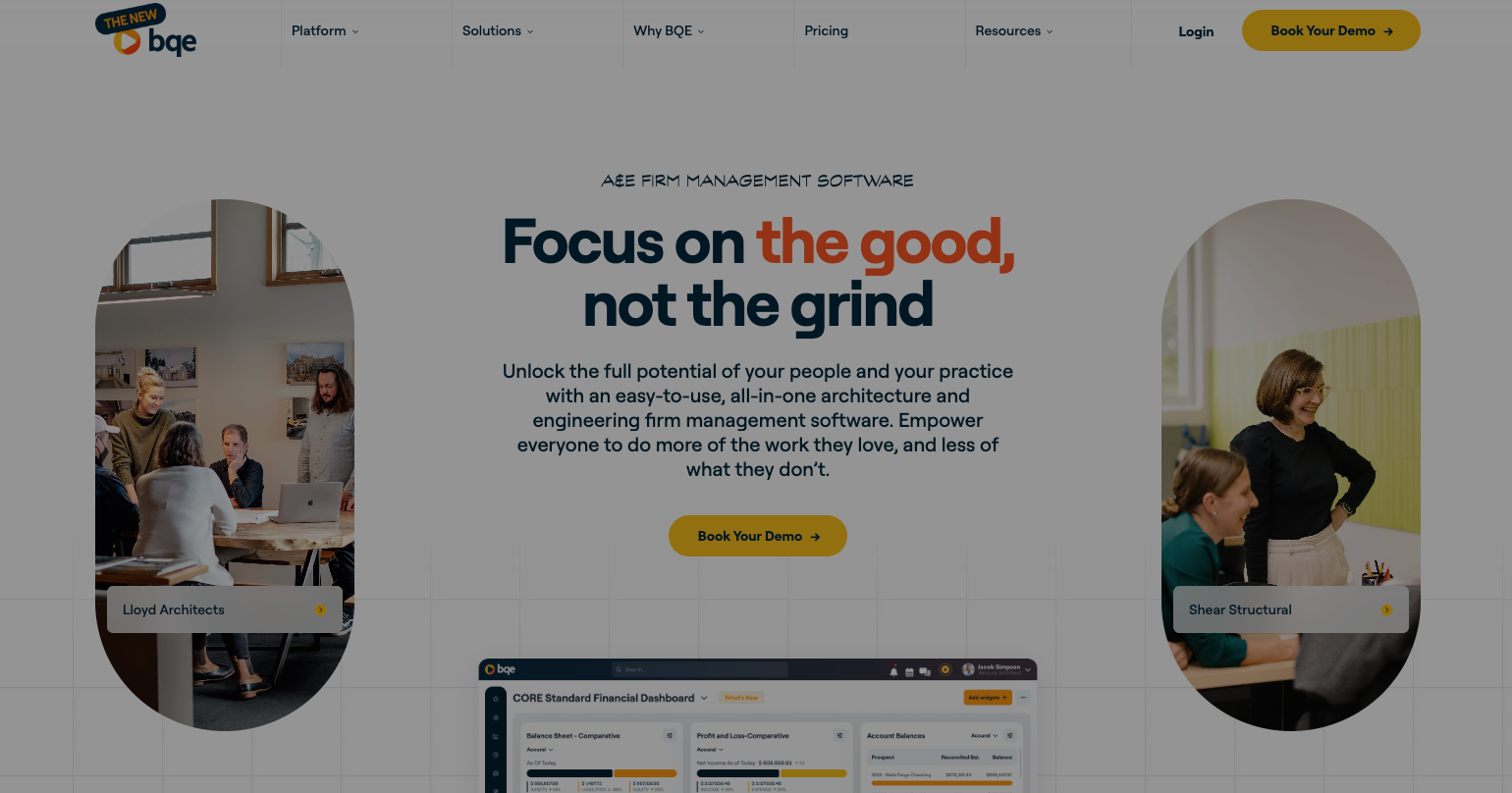
The challenge is that "comprehensive" here can easily tip into "complex."
Key Features
- Billing automation: Fixed fee, hourly, and milestone billing rules
- Project management: Phase and task-level tracking with budget monitoring
- Time and expense: Integrated logging with approval workflows
- HR and payroll: Available as add-on modules
Pricing
Pricing is custom and varies based on enabled modules.
Where BQE CORE Shines
- Modular depth: Add accounting, HR, or CRM without switching platforms
- Billing automation: Strong for practices with multi-contract, multi-rate structures
Where BQE CORE Falls Short
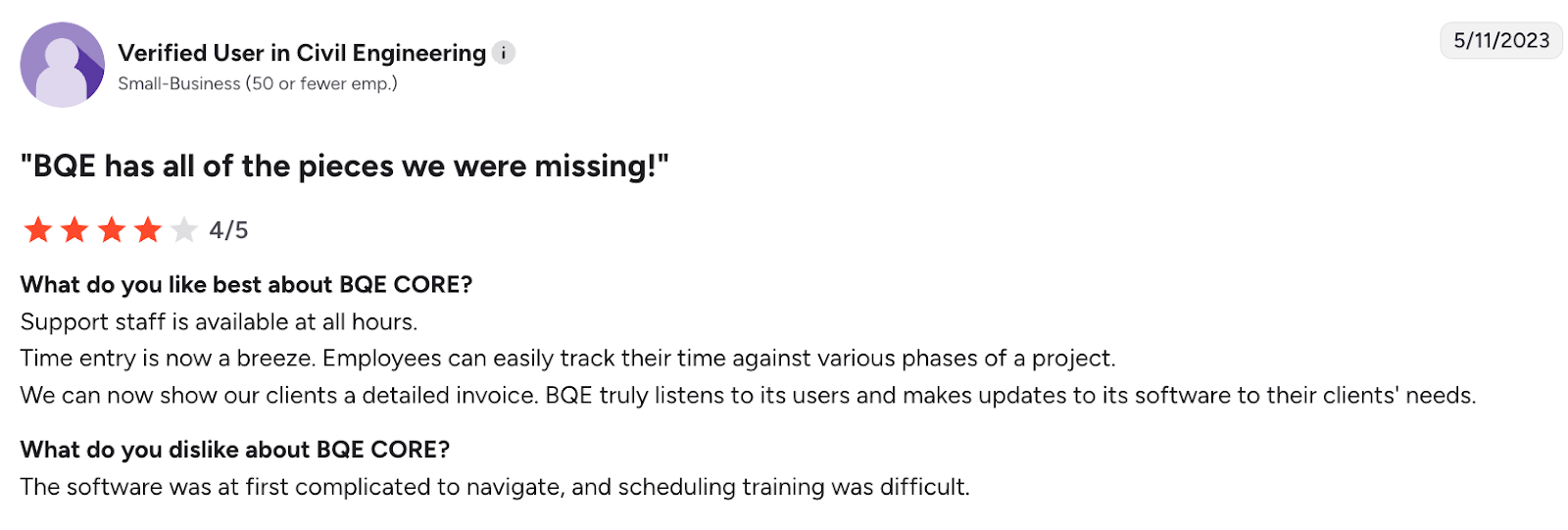
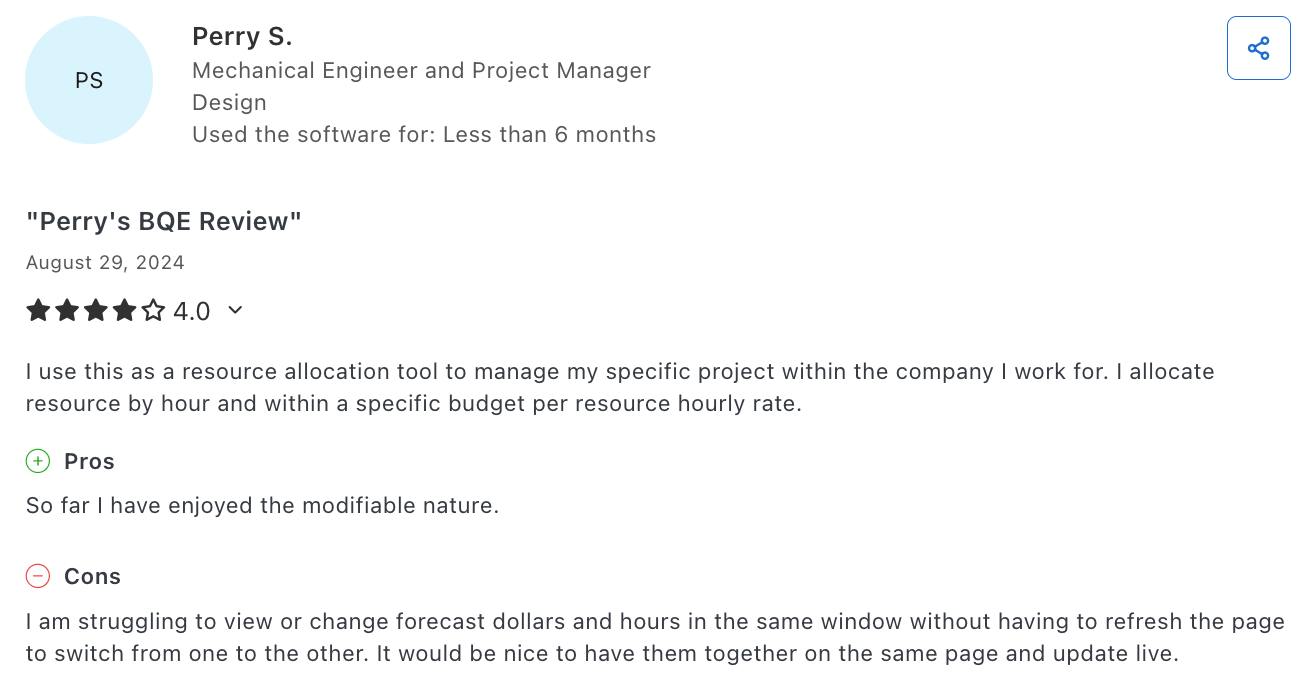
- Performance at scale: Slowdowns when handling large datasets are a recurring user complaint
- High total cost: Each module adds to the bill, and what starts affordable can grow quickly
Customer Reviews
Who BQE CORE Is Best For?
- Mid-sized AEC firms with complex billing and a dedicated admin to manage configuration
- Firms wanting one platform for project management, accounting, and HR
Deltek Vantagepoint
Deltek Vantagepoint is an enterprise-level ERP platform designed for large engineering and construction organisations.
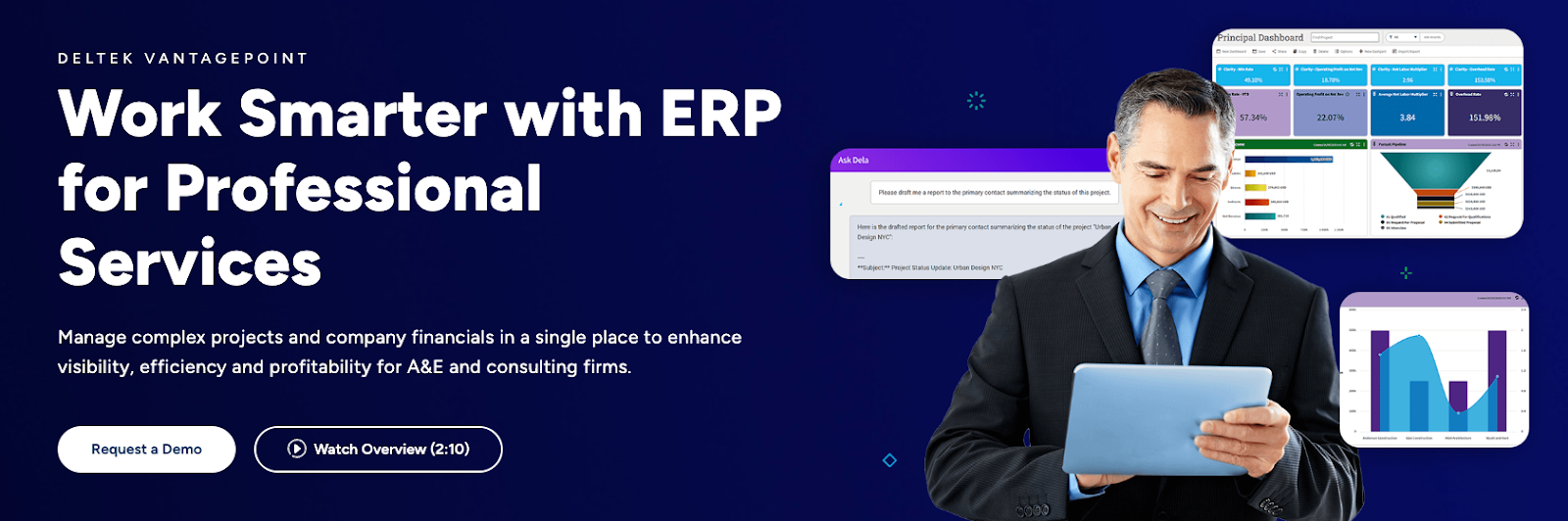
It combines project management, accounting, and business intelligence across global teams.
Key Features
- ERP-level project accounting: Multi-company, multi-currency financial management
- Resource and workforce planning: At enterprise scale
- Compliance and audit trails: For firms with strict regulatory requirements
Pricing
| Plan | Price |
| All tiers | Custom quote only |
Where Deltek Shines
- Enterprise-scale depth: Handles complexity that smaller tools simply can't
- Deep analytics: Financial forecasting tools help executives plan long-term strategy
Where Deltek Falls Short
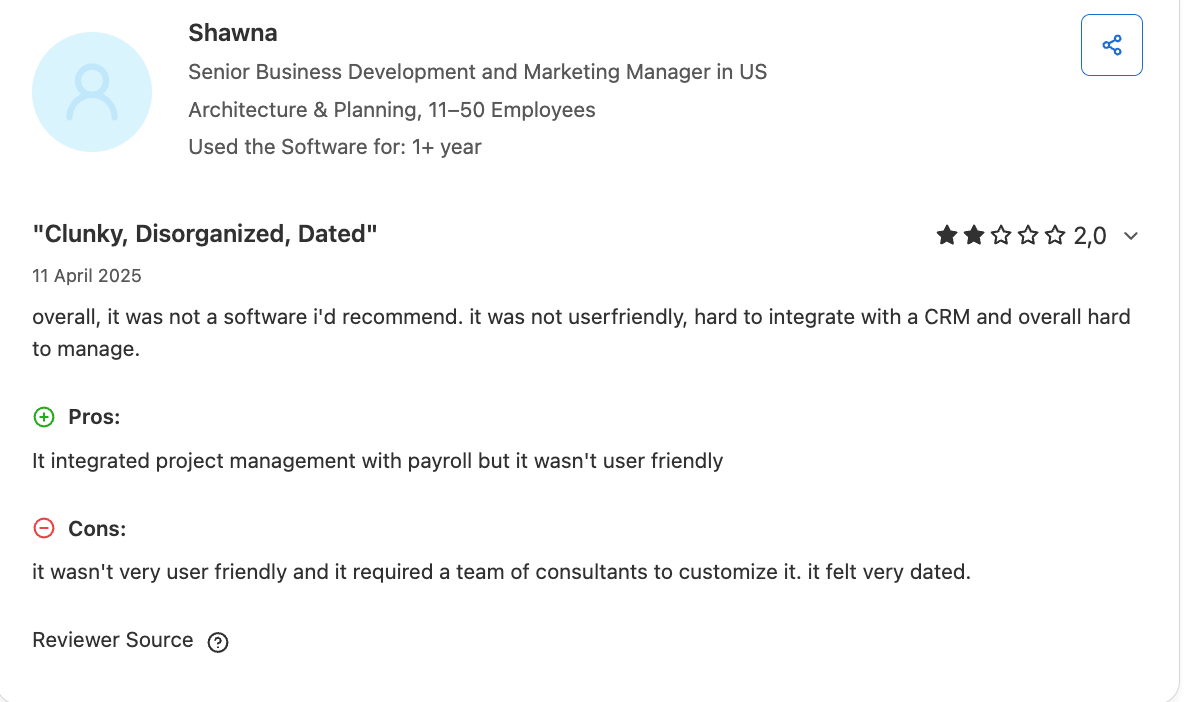
- Too complex for most: Overwhelming for firms under 100 people; requires a dedicated administrator
- Mobile experience: Widely criticised across user reviews
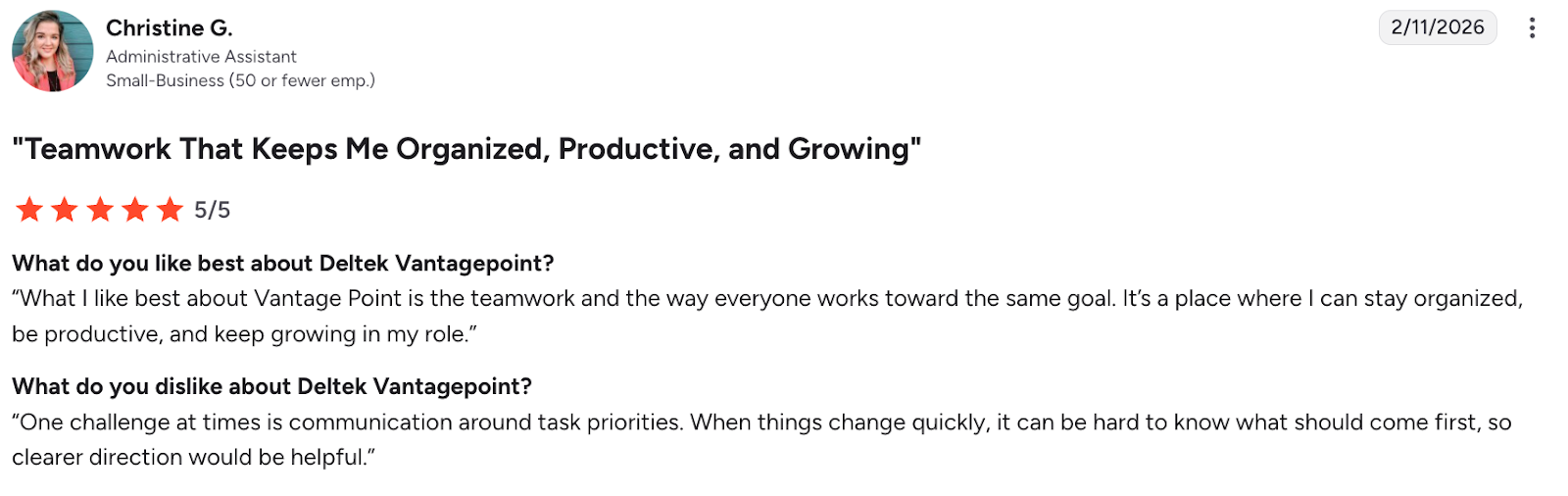
Customer Reviews
Who Deltek Is Best For?
Global organisations needing advanced compliance and financial oversight. For smaller or mid-sized AEC firms that need efficiency without the enterprise overhead, exploring top-rated Deltek alternatives may be the better path forward.
Wrike
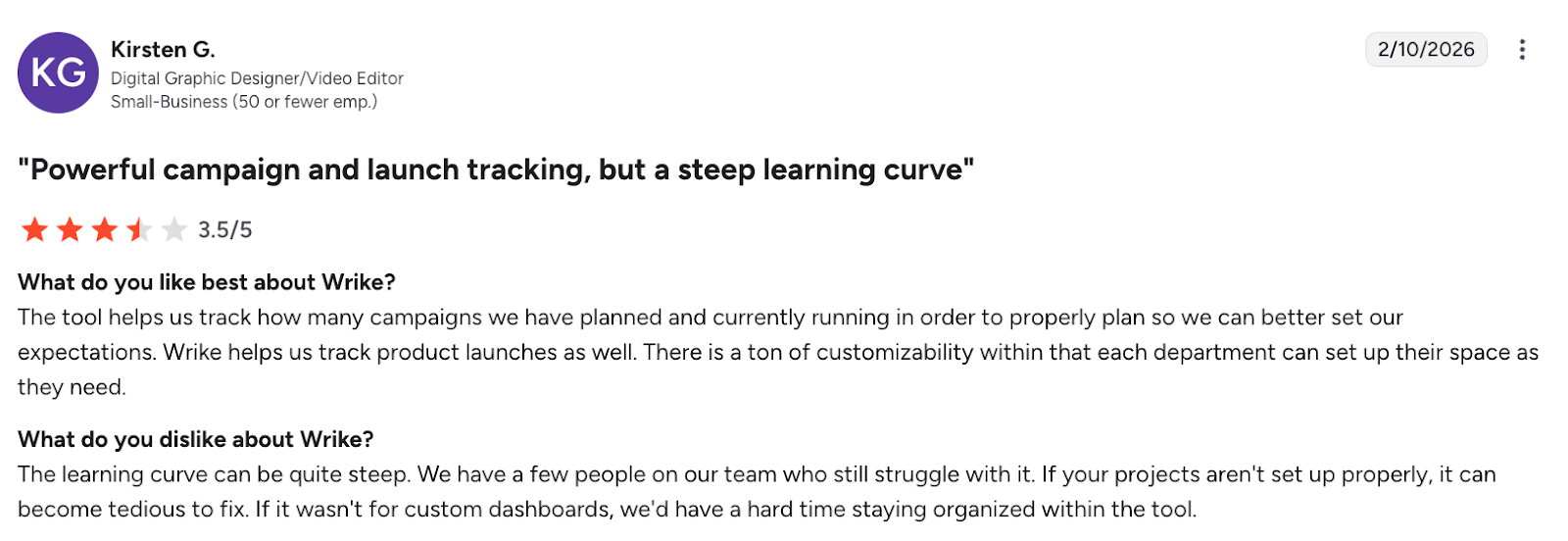
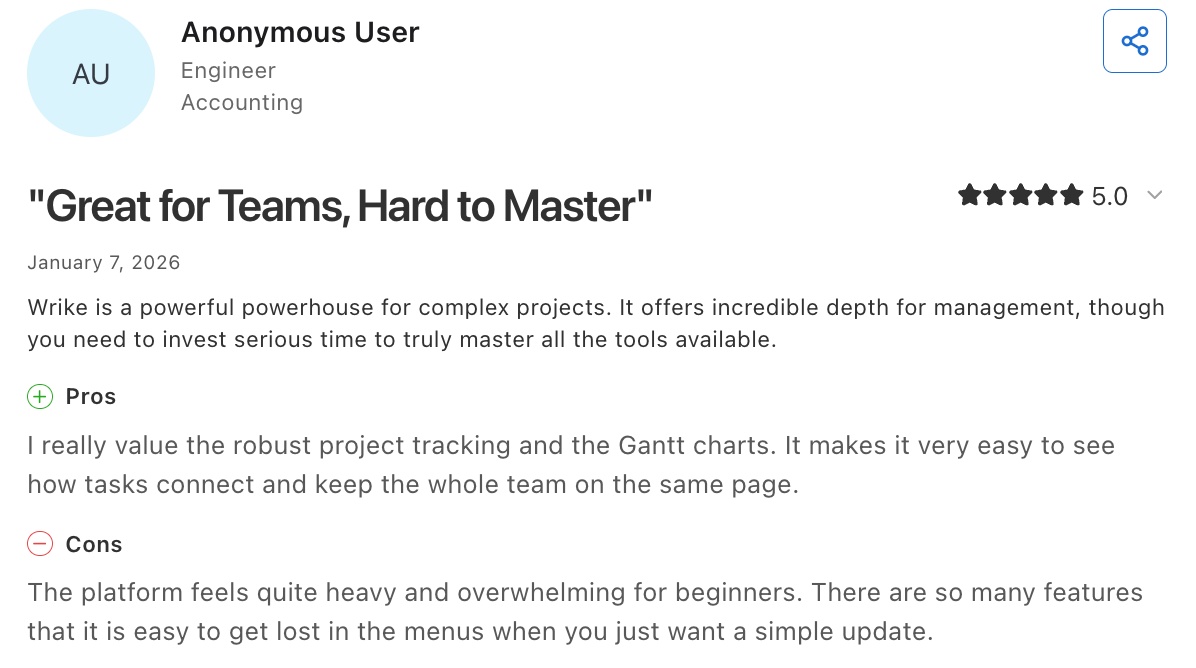
Wrike is a general-purpose tool that has gained traction as one of the best monograph alternatives due to its extreme flexibility. Unlike the others on this list, it isn't built just for architects.
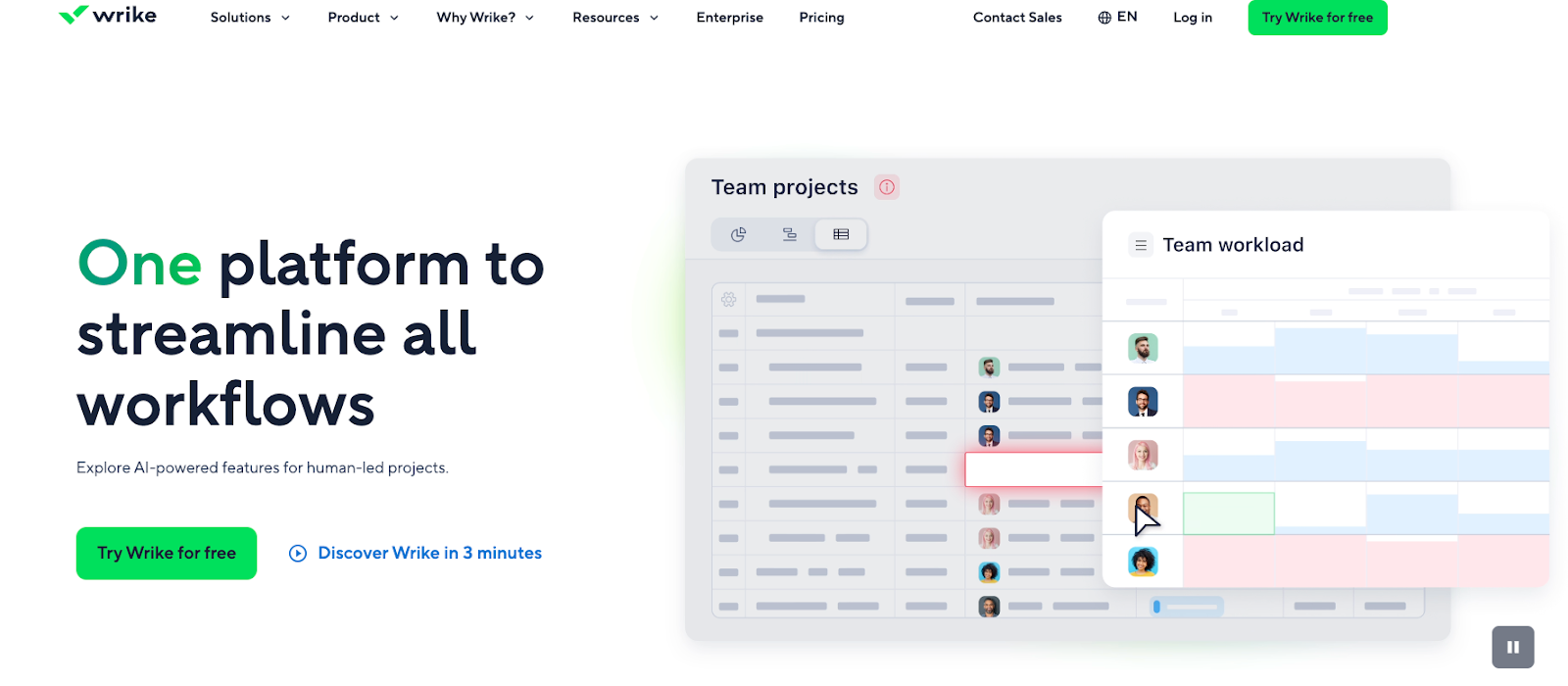
It’s a collaboration platform that can be "bent" to fit the needs of professional services.
Key Features
- Task and project management: Boards, Gantt charts, and timelines are adaptable across industries
- Team collaboration: Real-time editing and shared workspaces
- Reporting and dashboards: Customizable analytics with cross-project visibility
Pricing
| Plan | Monthly Price Per User |
| Free | $0 |
| Team | $10 |
| Business | $25 |
| Enterprise / Pinnacle | Custom quote |
Where Wrike Shines
- Cross-functional flexibility: Works across departments, not just project delivery teams
- Collaboration features: Strong real-time communication and shared workspaces
Where Wrike Falls Short
- No AEC-specific workflows: Phase delivery and fee management need significant custom configuration
- Basic time tracking: Not granular enough for firms where billing accuracy depends on phase-level hour logs
Customer Reviews
Who Wrike Is Best For?
- Cross-functional teams outside AEC focused on collaboration over project accounting
- Small teams exploring structured project management for the first time
Reasons to Consider an Alternative to Monograph
Monograph has a clean interface and does a reasonable job for small architecture studios getting started. But these specific, consistent gaps push growing firms to look elsewhere.
Invoicing Without a Clear Audit Trail
This is a real scenario for architecture firms using certain tools, and it's a workflow problem, not just a minor inconvenience. When a client disputes a charge or your own accounts team needs to reconcile a project, invoice transparency isn't optional.
It’s why Milient's Project Flow keeps time entries, billing rates, and invoice history connected throughout the project lifecycle. You can see what was billed, when, and against which hours, so there's always a clear record.
Limited Reporting for Firm-Wide Visibility
McKinsey's State of Organizations 2026 found that the biggest productivity gains come from unifying processes across the enterprise, not adding more fragmented tools. If your reports only show individual project snapshots and not firm-wide utilisation, you're making resource decisions without the full picture.
Milient's analytics give you direct access to the figures that drive your business: billable vs. non-billable hours, budget burn by project, and resource utilisation across the team.
/Finances_graphs.png?width=1529&height=791&name=Finances_graphs.png)
It's the kind of visibility that helps architects and engineers move from reactive to proactive decisions.
Project knowledge leaves when people do
Beyond project management, Milient also offers a dedicated Knowledge Portal to keep critical firm knowledge structured, accessible, and inside the business.
/Product%20Images/Screenshot%202024-06-20%20095433.png?width=1351&height=630&name=Screenshot%202024-06-20%20095433.png)
Corstorphine + Wright, ranked 13th in the AJ100, faced this head-on. As a fast-growing multi-sector practice, their project knowledge was scattered: hard to find, harder to share.
By implementing Milient's Knowledge Portal, they created a single source of truth that made it easier for every team member to access what they needed. The result was faster project delivery and stronger internal consistency across a complex, growing practice.
If your current tool doesn't support structured knowledge management, every senior team member who leaves takes critical context with them.
Your pricing is outpacing your output
Up to 30% of design and construction costs stem from fragmented, mismanaged processes. When a tool's cost grows faster than the efficiency it delivers, you're effectively paying to maintain the problem.
For firms that have been on Monograph for a year or more, it's worth running a direct comparison: what features do you actually use, what's the per-user cost, and what would those same users gain from a more purpose-built alternative?
Milient offers a free interactive demo, so you can test the full platform against your real workflows before committing. for professional services firms and IT consultancies, the time management features alone often justify the switch.
Get the Best Monograph Alternative: Milient
For most architecture and engineering firms, the right alternative is the one built for how you actually work. Milient Project Flow covers the full project lifecycle, connects time and resources to project financials, and scales from small studios to large consultancies without requiring a dedicated admin to keep it running.
But the other tools on this list each serve a purpose. BigTime wins on accounting integration. Deltek wins at enterprise scale. Wrike wins on flexibility. But for project-driven AEC firms that want clarity, control, and less admin, Milient is where those needs come together.
Try Milient risk-free today, or if knowledge management is your immediate priority,book a Knowledge Portal walkthrough
FAQs
 Andrea Neeve
Marketing Associate
Want more content like this? Follow Milient:

/roles.png?width=1024&height=1024&name=roles.png)
/Project%20Card.png?width=1024&height=1024&name=Project%20Card.png)